How Technology Is Changing the Modern Gaming Experience
Gaming has changed significantly as internet access and digital technology have developed. Games that once depended on physical locations can now be accessed through connected devices, while online communities allow players to interact across different locations. The gambling and gaming industries have been part of this broader digital transformation.
The Growth from Physical to Digital Gaming
Here’s how it goes:
Online Accessibility
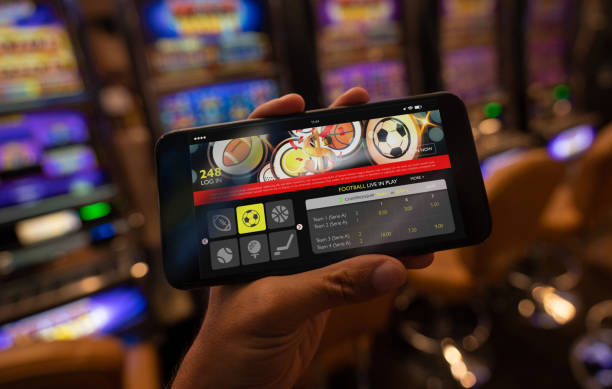
Internet-connected devices have made many forms of gaming available outside traditional venues. Players can access games through computers, tablets, and smartphones depending on the service. This convenience has also increased the importance of responsible digital habits.
Mobile Gaming
 Smartphones have created another major gaming environment. Mobile games can be played almost anywhere, encouraging developers to design experiences specifically for smaller screens and shorter sessions.
Technology Behind Online Games
See these:
1-Secure Accounts
Digital gaming platforms depend on account systems to manage player information. Security measures such as strong passwords, authentication tools, and secure connections are important for protecting accounts.
Users should also be cautious about suspicious links and requests for personal information.
2-Data and Game Design
Online games can use data to understand player preferences and improve interfaces. Developers can analyze patterns to make games more accessible and responsive. Responsible data practices are important because gaming platforms may handle sensitive account information.
The Importance of Responsible Play
Digital accessibility can make it easier to spend more time or money on entertainment. Setting personal limits can help keep gaming within a manageable role. For gambling-related games, financial limits are particularly important because outcomes can involve monetary losses.
Conclusion
Technology has transformed gaming through mobile devices, online communities, digital accounts, and data-driven design. These developments create new opportunities for entertainment while also making security and responsible participation increasingly important. Understanding the technology behind modern gaming can help users make more informed choices.
 There are various players with different preferences. Some like classic table games, some like to wager on sports. Others want to play the slots and others like to play the slots with the live dealer or with the live dealer. A platform with a wide variety of games to choose from means players can try out a variety of games without having to register multiple accounts.



 Responsible Gaming 2.0 is leading the way in artificial intelligence. Behavioral analytics powered by artificial intelligence are already helping operators spot potentially harmful gambling trends in real time. To illustrate:
 Gambling in casinos really took off during the middle of the twentieth century. After Nevada allowed casinos in 1931, Las Vegas exploded in popularity as a gambling destination. As a result, additional states progressively legalized casino gambling, and Atlantic City did the same in 1976.
 Classic, or three-reel, slots offer a taste of the past. Their simple gameplay, fruit symbols, and restricted paylines make them a no-frills game. Classic slot machines are great for fast play and nostalgia.
 Engage in the Thrilling World of Dystopia
 “Do slots pay more at night?” is something you may have thought about. A lot of the time, at land-based casinos, more jackpots are won when there are more people there. That idea could lead you to say that if there is a best time, it is at night when there are a lot of people playing. As a plus, the mood changes through the night.
 Strict anti-money laundering (AML) laws frequently apply to online casinos to stop illegal activities, including money laundering and the financing of terrorism. Casinos must establish strong Know Your Customer (KYC) protocols and effective AML procedures to ensure compliance and the casino’s integrity and image.